EUAFA

EUROPEAN AIR FORCE ACADEMIES

  POLAND


Polish Air Force University

HISTORY

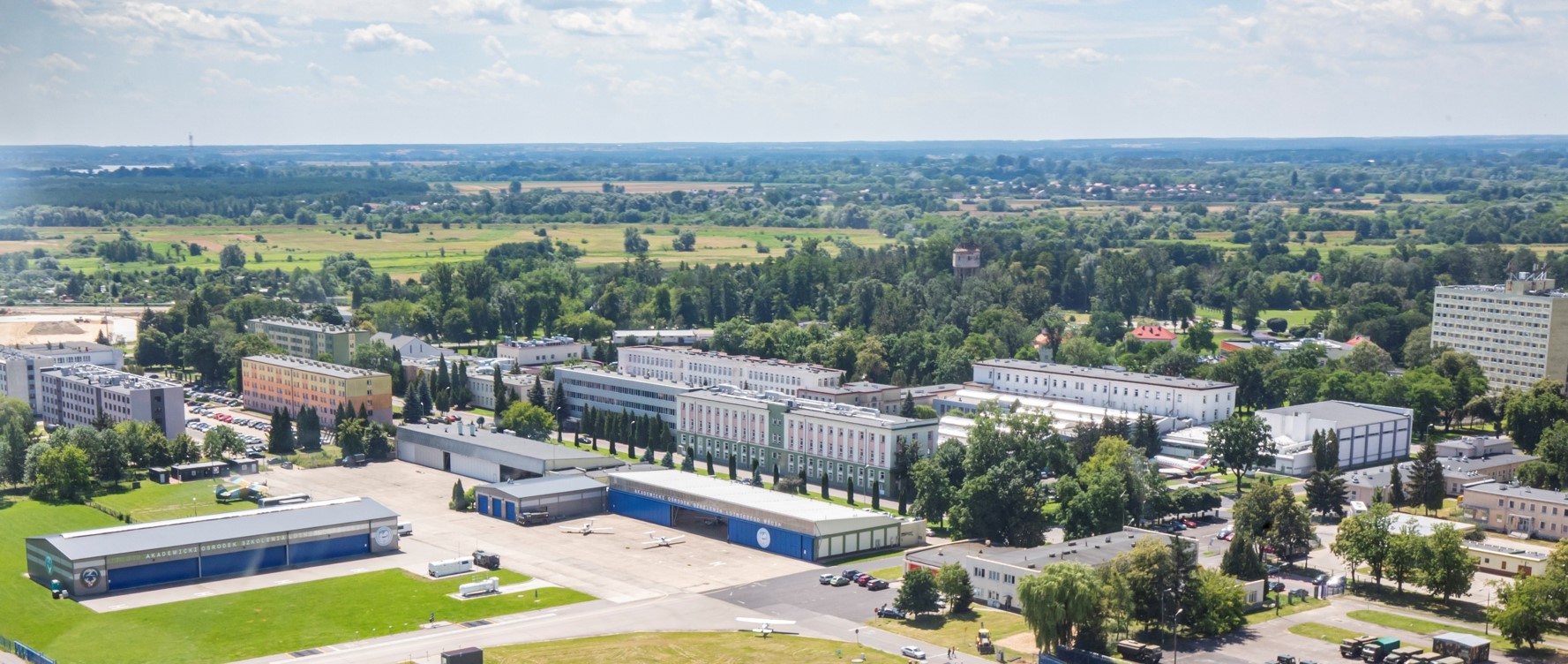
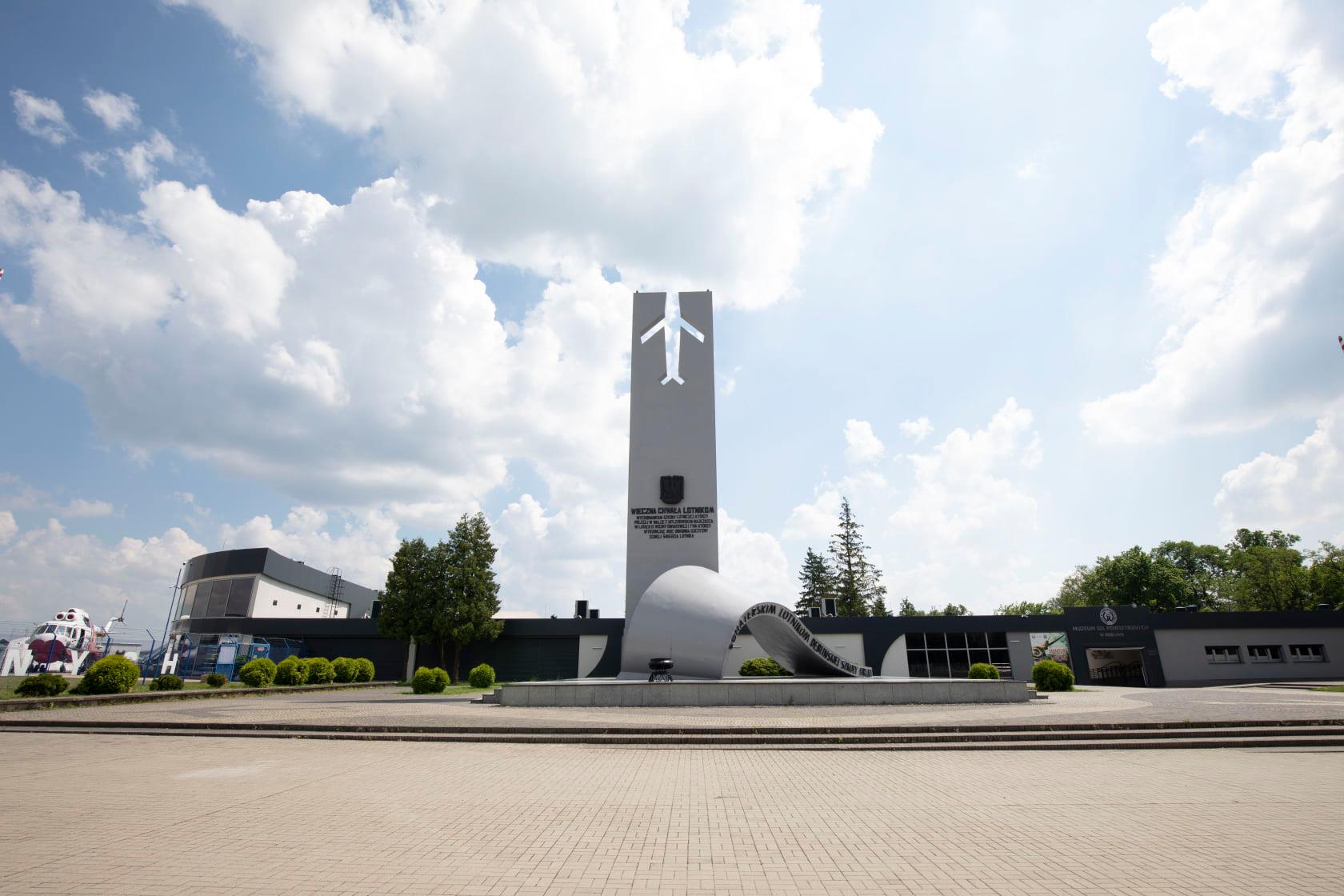
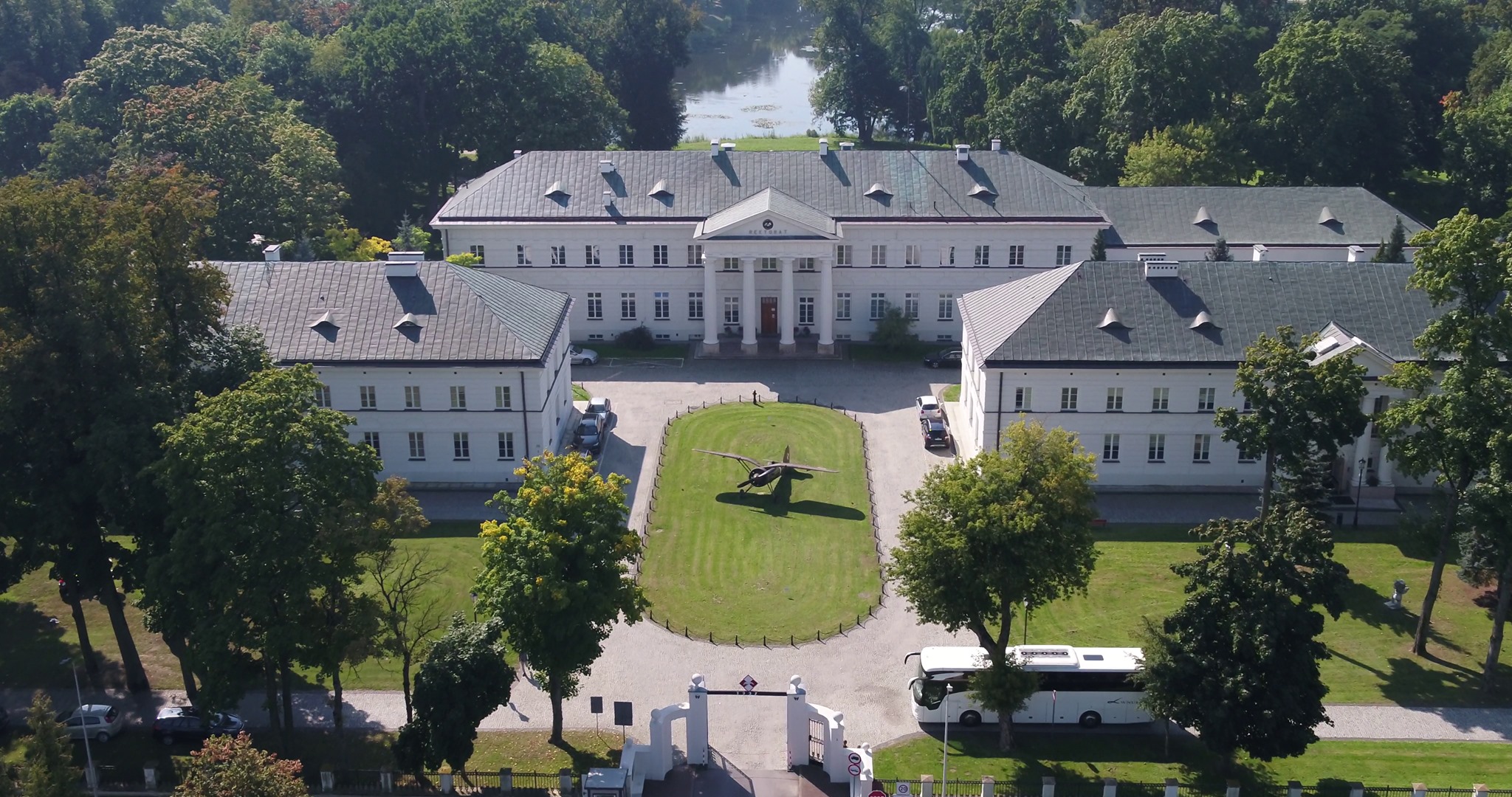
Polish Air Force University (PAFU) traditionally known as the ‘School of Eaglets’, located in Dęblin, eastern Poland, is the only accredited academic - level institution providing education and training for air force personnel in Poland. Its aim has always been to train skilled air force professionals and to educate them about the importance of devotion and sacrifice for the country. The concept is reflected in the University’s logo through the Latin inscription, “Pro Patria Semper" which means "Always for the Country”.

Polish Air Force University was first established as the Aviation Officer's School in 1925 in Grudziądz, two years later it was transferred to Dęblin in Lublin County, where it has operated until the present day. The location was chosen due to many factors, the most important of which were weather conditions, especially the number of sunny days in the area, lack of rain, storms or other adverse atmospheric phenomena that could disturb practical training and related training activities “in the air”.

In 2009 Polish Air Force Univesity also started a civilian program of studies comprising four courses within the following main fields of study: Aviation and Aeronautics, Aviation Safety, Navigation, and Logistics.

Education and Training

The University offers full-time, part-time studies, postgraduate diploma studies, as well as professional training courses and qualifying military courses.

5-year 2nd degree studies for military students in:

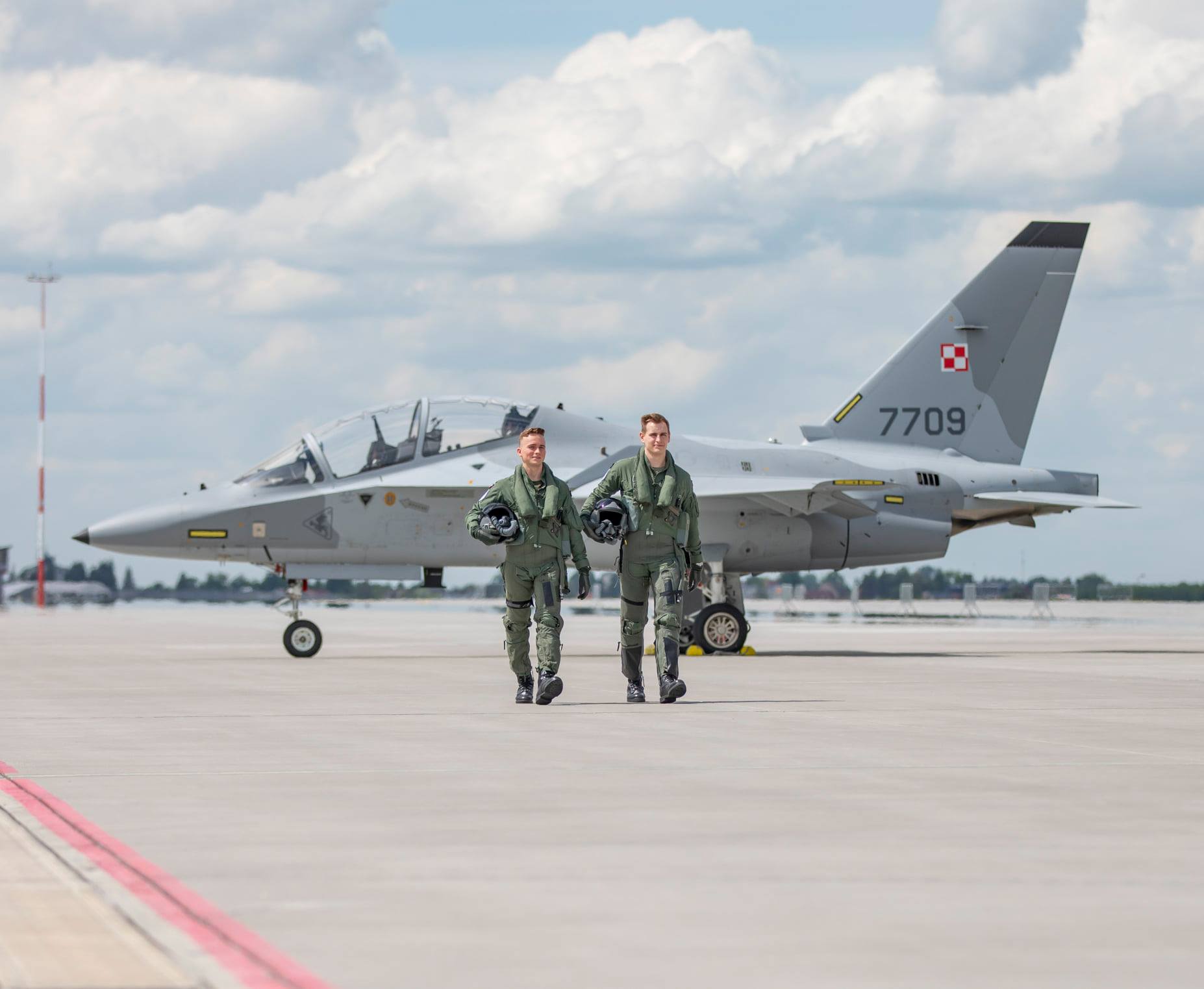
  • Aviation and Aeronautics (specialties: Jet pilots, Cargo pilots, Helicopter pilots, UAV pilot-operators);
  • Navigation (specialties: tactical navigation, navigation of aircraft, air traffic management);
  • Logistics (speciality: general military logistics).

1st degree studies for civilian students in:

  • Aviation and Aeronautics (specialties: pilotage of aircraft, avionics, aviation engineering, unmanned aircraft vehicles, aircraft operation);
  • Navigation (specialties: air traffic management, global navigation satellite systems, operation of the navigation infrastructure);
  • National Security (specialties: airport security, management of aviation safety, crisis management in aviation organizations, safety and passenger’s services in aviation transport, safety in aviation transport, cybersecurity in aviation, airport security);
  • Logistics (specialties: aviation logistics, general military logistics, airport service management).

1 year Postgraduate diploma studies in:

  • Aviation and Aeronautics (speciality: operation of aircraft);
  • Navigation (specialty: air traffic management);
  • National Security (safety and airport security, management of aviation safety, crisis management in aviation organizations);
  • Logistics (specialties: general aviation logistics, military logistics, airport service management).

2nd degree studies for civilian students in:

  • Aviation Safety;
  • Crisis Management in Public Administration.

Furthermore, the University is entitled to confer the title of PhD in machine construction discipline and PhD in security sciences.

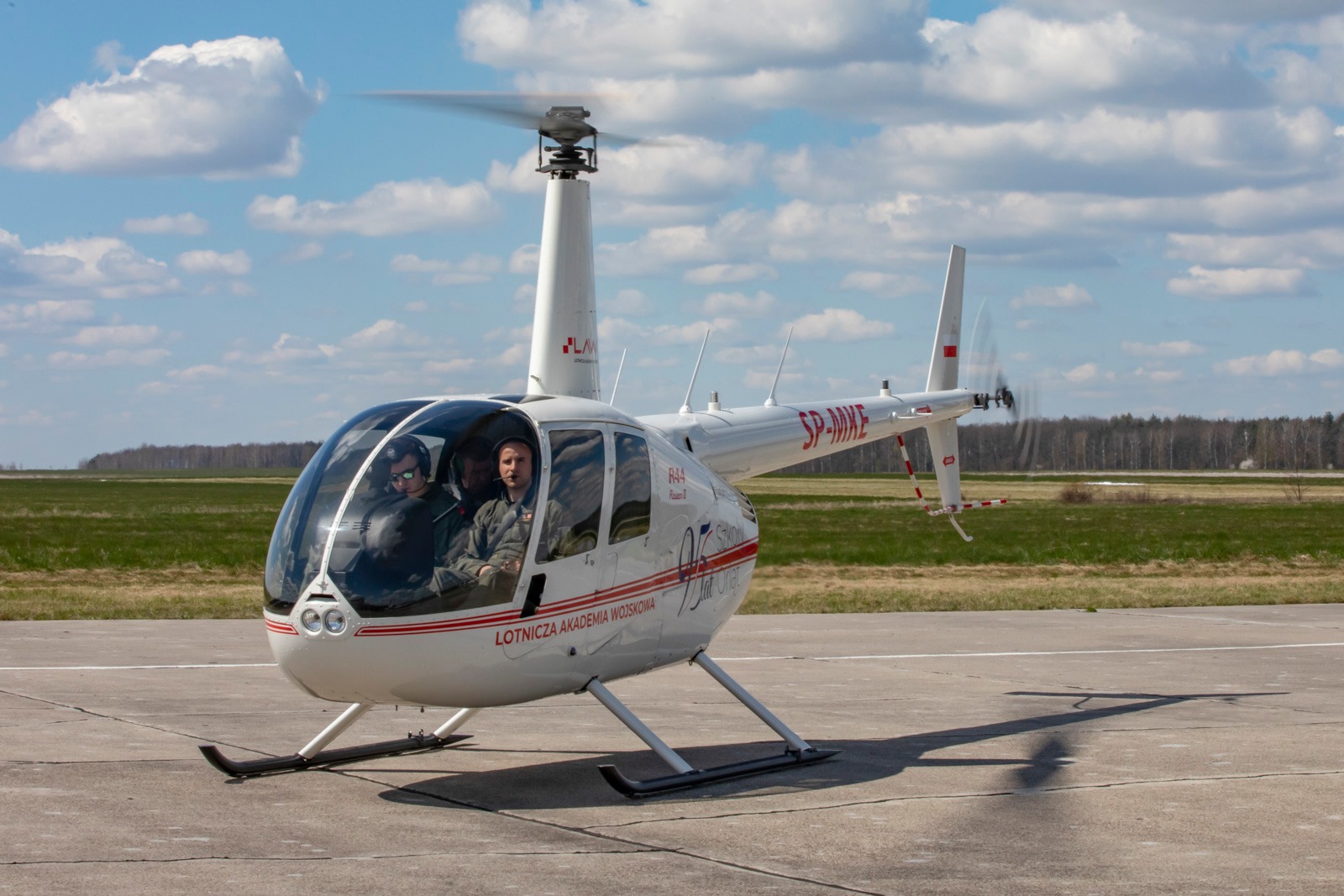
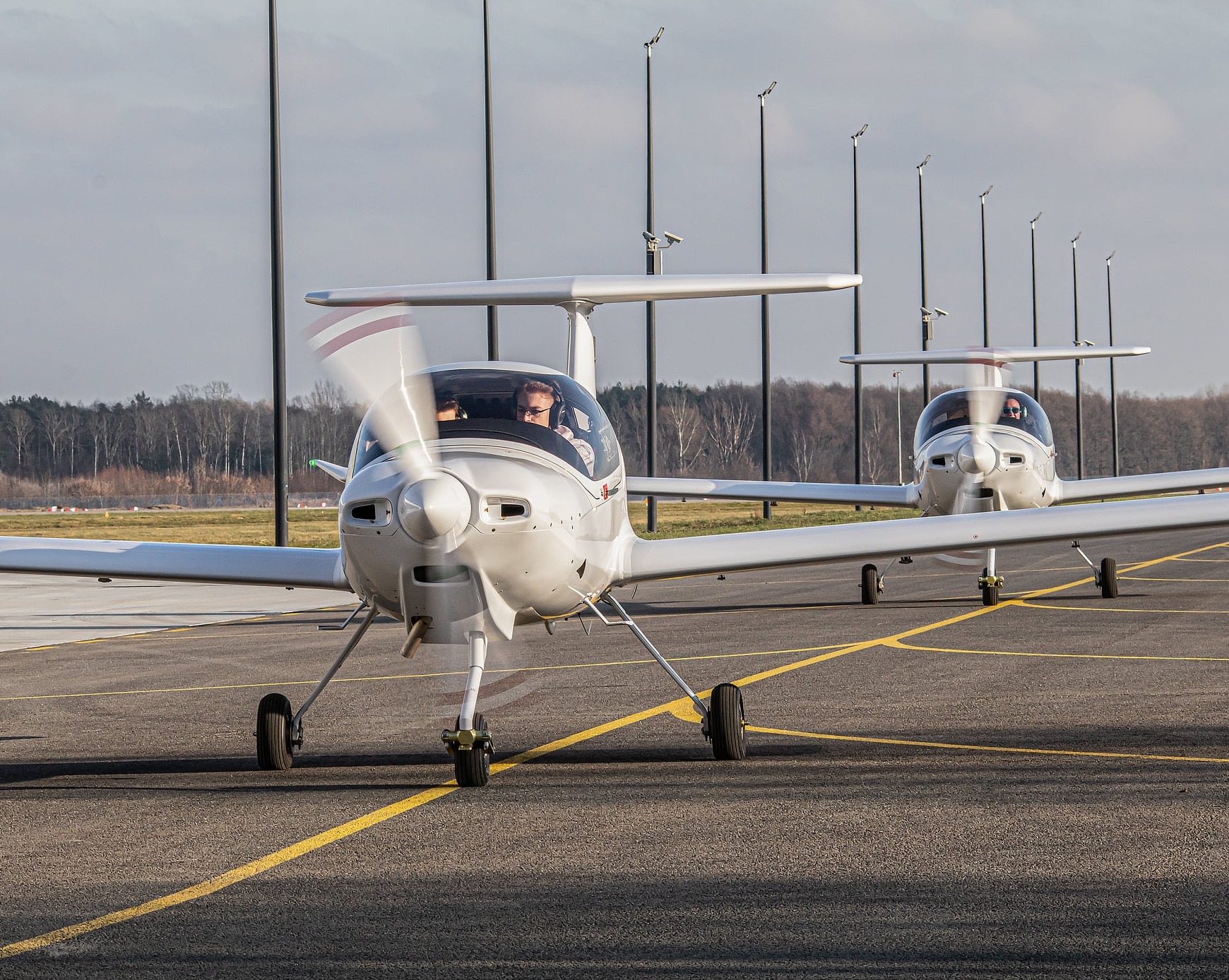
Academic Aviation Training Center, a specialized training center of the PAFU, is responsible for providing flight training for candidates to become pilots, cadets, and civilian students of the University according to requirements of the Polish Armed Forces and Civil Aviation Authority. The fleet of the center is well-developed and it consists of the following aircraft: Diamond DA42 NG aircraft, Diamond DA40 NG aircraft, Diamond DA20 C1 aircraft, Zlin 143LSi aircraft, Zlin 242L aircraft, Zlin 526 F aircraft, AN 2 aircraft, Guimball Cabri G2 helicopters, Robinson R44 II helicopters.

Our cadets, being on 4th year and 5 year of their studies at the PAFU, are trained at the military units in Poland.Currently, each year the total number of students is about 2000, out of which over 500 are cadets.

The University’s main goal is to forge Icarus’s vision into professional education and complex flight training for highest ranks staff of air force and civil aviation of the Republic of Poland. ‘The School of Eaglets’ would also like to widen its international cooperation, not only within the framework of such mobility programmes as EMILYO (Military Erasmus) and Erasmus+. Our intention is to enable students to study in a very modern and international University and provide them with skills and tools to get the best education they can get and make the most of it in their further professional career path.
 Commander

  COMMANDER
  Colonel Pilot
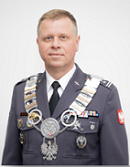
  Krzysztof SZYMANIEC, PhD,Eng.


Colonel Pilot Krzysztof SZYMANIEC took the position of the Rector-Commandant of the Polish Air Force University in April 2026. Before that, his last assignment was the Deputy Commander of the 3rd Airlift Wing in Powidz, Poland, where he was responsible for carrying out air mobility and land-based missions in support of the Armed Forces of Poland, as well as training and maintaining critical air search and rescue system, synchronization of mobility operations, support of Allied Forces and NATO integration.

Colonel Krzysztof Szymaniec was born in Lubsko. He graduated from the Air Force Academy in Dęblin and the National Defense Academy, where he completed his master degree. He also graduated from AWC Maxwell, AL USA in 2023.

Colonel Szymaniec has extensive command experience as he was the flight commander of the 2nd Transport-Liaison Squadron in Bydgoszcz, chief of training, deputy, and squadron commander of the 14th Air Transport Squadron in Powidz. He commanded also a group of the 33rd Airlift Base in Powidz, then the 8th Airlift Base in Cracow and 33rd Airlift Base in Powidz. In 2018 he received the degree of PhD in Technical Sciences at the University of Technology in Poznań, Poland

During his service, he accumulated over 2700 total flight hours on aircraft: P2002, PZL-130, TS-11, Mig-21, An-28, M-28B, and C-130. He is an active C130 instructor pilot.


EDUCATION

  • 1994 Polish Air Force Academy – Dęblin
  • 1998 Polish Air Force Academy - Dęblin, BEng.
  • 2006 National Defense Academy, Master of Management in Aviation
  • 2006 National Defense Academy, Postgraduate Diploma Studies in Aviation Management
  • 2010 SPAIN, COMAO-3, Tactical Leadership Program (TLP)
  • 2011 Polish Air Force Academy - Dęblin, Test pilot
  • 2015 Pilot Training School, C-130 Hercules aircraft, Little Rock, AR and Nashville, TN (USA)
  • 2018 Poznań University of Technology, PhD
  • 2023 AWC Maxwell, AL. USA

ASSIGNMENTS

  • 1994 –1998, Polish Air Force Academy, Dęblin
  • 1998 –2001, 41st Fighter Air Regiment, Malbork
  • 2001 – 2002, 41st Tactical Air Squadron, Malbork
  • 2002 – 2006, 2nd Transport-Liaison Squadron,Bydgoszcz
  • 2006 – 2007, 2nd Transport-Liaison Squadron, Flight Commander, Bydgoszcz
  • 2007 – 2010, 14 Airlift Squadron, Head of Training, Powidz AB
  • 2010 – 2012, 33rd Airlift Base, Squadron Deputy Commander, Powidz AB
  • 2012 – 2014, 33rd Airlift Base, Squadron Commander, Powidz, AB
  • 2014 – 2016, 33rd Airlift Base, Group Commander, Powidz, AB
  • 2016 – 2017, 8th Airlift Base Commander, Kraków, AB
  • 2017 – 2019, University of Technology, Poznań, Lecturer
  • 2019 – 2022, 33rd Airlift Base Commander, Powidz, AB
  • 2023– 2026, 3rd Airlift Wing Deputy Commander, Powidz
  • Since 2026, Rector-Commandant of the Polish Air Force University

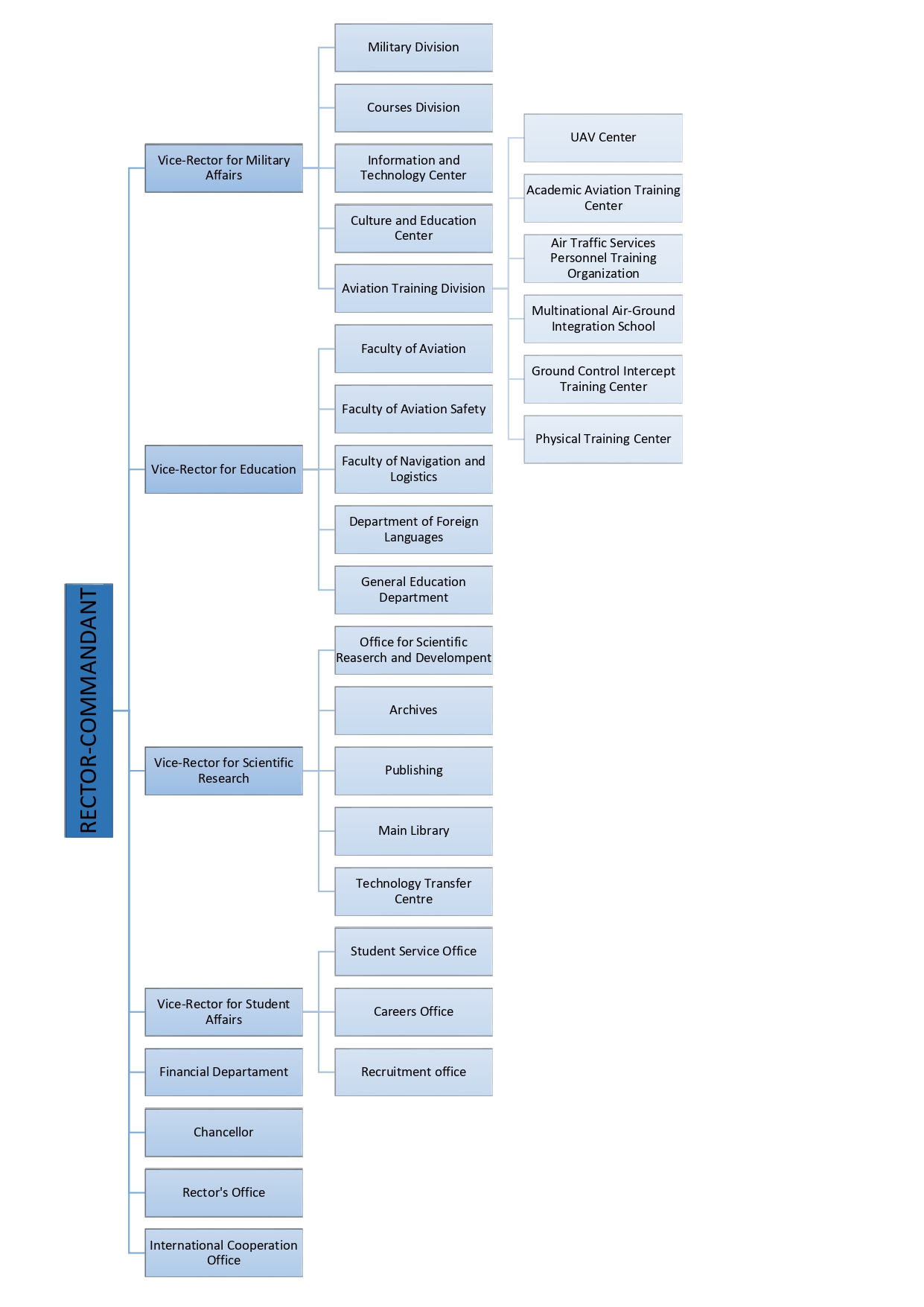
 Structure
Poland

  Contact

Address

  • ul. Dywizjonu 303 nr 35
  • 08-521 Dęblin
  • Poland

Phone numbers, Email


Web Page

 Images from Academy


 Commandant’s Conference

In 1993 the European Air Chiefs Conference (EURAC) was established with the main objective finding new methods of study and co-operation among European Air Forces – within and out of NATO. In this context a considerable importance has been given for a common vision in the ways of education and formation of future officers

Consequently the European Air Force Academies (EUAFA) Commanders’ Conference has been established as a forum of experts in order to exchange information, co-operate and identify areas of common interest to carry out activities, with the largest possible participation of all the member nations, in the field of officer education and training.

EUAFA mission is to encourage mutual education through the sharing of information on officer training by promoting academic and military exchanges concerning cadet and instructor training.

The (EUAFA) Commandants’ Conference comprises of the Commandants of the Air Force Academies of the following European countries:

AUSTRIA, BELGIUM, CZECH REPUBLIK, DENMARK, FINLAND, FRANCE, GERMANY, GREECE, HUNGARY, IRELAND, ITALY, NETHERLANDS, NORWAY, POLAND, PORTUGAL, ROMANIA, SPAIN, SWEDEN, SWITZERLAND, TURKEY, UNITED KINGDOM.

The members of the conference annually elect a Chairman, who is responsible for the preparation of the meetings and who acts as Point of Contact (POC) for all members.

The Chairman, who is appointed for one year for the period between two Commandants’ Conferences, is the Commandant (or his representative) of the Academy that is designated to host the conference at the end of his term.

Experts’ Working Group

In order to find common elements within the syllabi of the EUAFAs a Working Group was established in 1998. The ultimate goal was to identify portions of the individual training and education programs that might be suitable for common training and/or mutual exchanges

The EUAFA Working Group is responsible for the following tasks: view the member nations syllabi and focus on common fields within which to provide a basis for future co-operation in training and cadet exchanges; gather, update and disseminate the Databank (available at the website, and updated by the appropriate Working Group member) containing:

  • An overview of educational systems.
  • The structure organisational diagram of each participating country.
  • The educational syllabus of each academy.
  • The pilot education, training and timeframes in each academy.

In order to achieve a better understanding regarding main areas of training in each country’s officer training syllabus and from which common areas of interest could be found:

  • Discuss and prepare agenda items for the following EUAFA Commandants’ Conference
  • Present the findings of the Working Group Meeting including proposals for future activities to the following EUAFA Commandants’ Conference
 
Copyright © AFAHC.RO